
Question: I’m a healthy young man who works at home on the computer most of the time. I’ve been married a few years and my wife goes to her job in a health-related field. She’s careful to wear a mask and maintain social distancing. Fortunately, there is a windows between her and the patients. I get out of our apartment to ride my bike or walk or go to a grocery store. Otherwise, I spend a lot of time at home on the computer. You’d think that one of the things we could do is have a lot of sex, but it doesn’t happen. It doesn’t seem that either of us are interested, so I don’t push it. But it does worry me that we have a mostly sexless marriage at our young age (early thirties). I’m not sure what to do about it. I came across your blog, and I like the “frank answers” you give. This may not be your area of expertise, but I thought I’d ask anyway. Do you have any suggestions about a low sex drive?
Answer: It’s true that this is not my field of expertise. I can’t dispense medical advice. You should talk with your MD. But I think your situation is not uncommon these days in the millennial generation. We’ve just got over the worst of the pandemic. The pandemic was anxiety-producing and it lingers on more than we care to admit. You mention your wife still wearing a mask at work. The experience of the pandemic has shown us how much we absorb the suffering of the world and make it our own. Anxiety can affect sexual performance.
I do have some observations to offer to you and to men generally.
First of all, men seem to think that they need to be having sex constantly or they’re not being “manly.” The reality is that the sex drive varies from one man to another and even within our own lives over time. It’s not uncommon to have a lot of sex when you first get married and then experience it tapering off as you settle into your routines of jobs and family responsibilities. Also note the biological factor that men’s sexual ability peaks during the late teens and early twenties. There is a slow decline in sexual desire and performance during your 30s and 40s.
The technical name for what you’re experiencing is “low libido.” There are many conditions that cause this. You are already describing some. Your wife is being productive out in the world and you’re not going to your office or wherever you would work normally. You may be working productively at home, but you’re not out interfacing with face-to-face with society. Men tend to define themselves by their work or the kind of work they do. Not being happy with what you do can produce depression. Even low depression can take a toll on our sex drive. I experienced this when I lost a job in my mid-thirties. Fortunately, my sex drive came back after we settled into a new situation.
(By the way, if you have been diagnosed with depression and are taking anti-depressant drugs, that medication can also contribute to the loss of libido. You should talk to your doctor.)
But now add to this the fact that we are all experiencing some level of anxiety as we get through this pandemic. It seemed important for you to note that your wife wears a mask and interacts with patients through a window. Then she comes home from that environment. The threat of contagion and infection comes into your domestic situation, as low as that may be these days. People are still being infected by COVID.
The constant need to be careful to avoid being infected by the coronavirus can be stressful. This too has physical consequences. Stress triggers the production of cortisol, a hormone that functions like the body’s built-in alarm system. Cortisol causes the constriction of blood vessels, contributing to erectile dysfunction. If blood can’t flow freely into your penis, it will impact your ability to maintain an erection, which, for a man who wants to have sex, is also anxiety-producing. We are excruciatingly embarrassed if we can’t perform.
Cortisol can also cause a precipitous drop in testosterone. Loss of testosterone leads to hypogonadism and that indeed causes a low libido. Normally hypogonadism is associated with aging. It can also be the result of a chronic illness. But you say that you are “a healthy young man.” You can find out whether your testosterone level is low with a simple blood test and your doctor can provide topical medications to apply to your skin. (I had this condition after cancer and chemotherapy). Or your doctor can prescribe internal medication, but any medication has side effects.
Basically, stress is counterproductive to your physical and sexual health. In fact, it is closely linked to testosterone production. So, if you’re someone who gets excessively stressed, your sexual health is bound to suffer. Unfortunately, stress isn’t something that can go away overnight. However, there are some gradual changes that you can incorporate to beat it in addition to medication such as topical or internal testosterone treatments. These include:
- Having a good sleeping cycle
- Exercise
- Meditating
Stress is also linked to insomnia and other sleep abnormalities, which can increase the risk of fatigue and leave you too tired for sex. How are you sleeping at night? One suggestion is to sleep naked. You sleep better when your body temperature lowers. Testosterone is produced under cooler conditions. Also, your genitals need to air out. And if you don’t wear tight briefs or boxers, blood flows more freely into your lower region. Nude sleeping also makes you feel more sexy.
You may notice more erections during the night or in the morning when you’re waking up because without the constriction of pjs or underwear your circulation is better and your penis has more space in which to expand. We usually have several erections during the night. The “morning woodie” which you probably talked about with your male friends when you were younger is just the last of them before you wake up. Erections are a sign that the nerves and blood supply to the penis are healthy. The body is renewing the reproductive organs. If erectile dysfunction is one of your issues (it is for many men at different times and under various conditions), nocturnal erections can reassure you that your sex apparatus is working.

Loss of your sex drive is seldom attributable to one cause. It’s usually a combination of factors. At the moment you indicate that neither you nor your wife are interested in sex. She could be suffering from some of the same conditions you are experiencing since being out in the world and on her job during a pandemic must certainly be stressful for her.
I hate to bring this up—and I hope it doesn’t apply to you—, but you work on the computer in seclusion and watching porn can have an effect on the sex drive because your interest in sex goes into the computer screen instead of into your or your partner’s body. Our sexual energy goes to where it drawn. Boys and young men who watch porn and masturbate get a very weak ejaculation and orgasm.
One other thing I would suggest is that anxiety is produced by the mind even though it affects the body (e.g., low libido, erectile dysfunction). Try giving more attention to the body and let the body affect the mind. Gyms and yoga studios have reopened. Some classes are still on Zoom. Since you are working from home you can take time to zoom into a fitness or yoga class. A number of yoga poses can address erectile dysfunction, especially the ones that tighten the kegels.
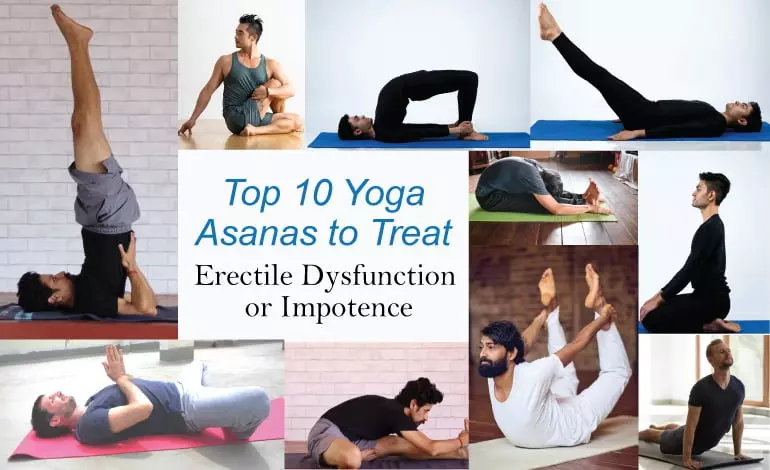
In warmer weather you can be outdoors walking, biking, or running, as you are doing. Let your body breathe by being shirtless and experience the sensuousness of the wind and sun on your skin. Giving attention to and feeling good about your body may have an impact on your sexual energy.

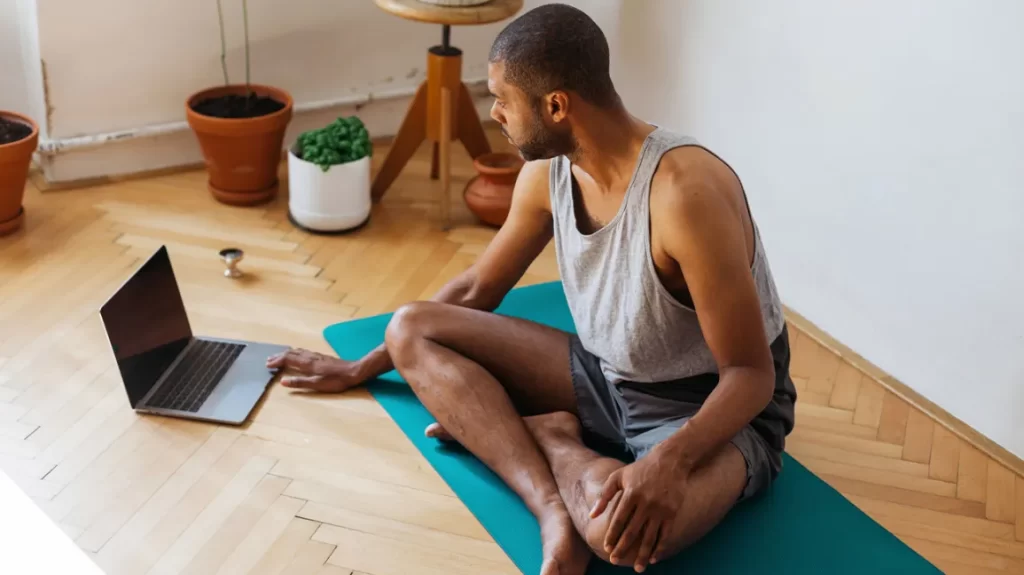
I also recommend taking up the practice of meditation. It has become a proven way of dealing with anxiety and stress. You can’t just start this one your own. But you can find books and online instruction that teach how to meditate. The main thing is that meditation calms the body as well as the mind. Body and mind are connected. In fact, today we speak of the body-mind. Meditation doesn’t so much teaching about emptying the mind. Your mind is never still. But it does teach you to notice what arises when the body-mind is still and let it go. Techniques for remaining focused usually involve breathing exercises. The advice of meditation teachers is to return to the breath and notice your breathing when something disruptive enters your ever-inquisitive mind. Meditation can be done anywhere, but preferably in a quiet space either in your home or outdoors. This man is following an online guided meditation practice.
In the meantime, the loss of sexual desire is not the same thing as the loss of a desire for intimacy. You each need more than sex. Even amid the anxieties remaining from the pandemic and other problems in the world, make every effort to connect emotionally and physically. Support your wife. Hug and kiss her. Talk to her and touch her. Don’t turn in on yourself. Give her a massage at the end of the day. By doing these things, you can forge a closer bond and may even end up reigniting your sexual relationship. Best wishes to you and your relationship with your wife.
Pastor Frank